Current research question
What can models learn from signals we barely notice?
My PhD currently looks at subliminal learning: how apparently innocuous patterns in data can transmit information and shift model behavior.
AI safety researcher · competitive runner
I’m Tibo, a PhD researcher at Vrije Universiteit Brussel working on AI safety, alignment, and interpretability. Outside the lab, I race the 3000m steeplechase.
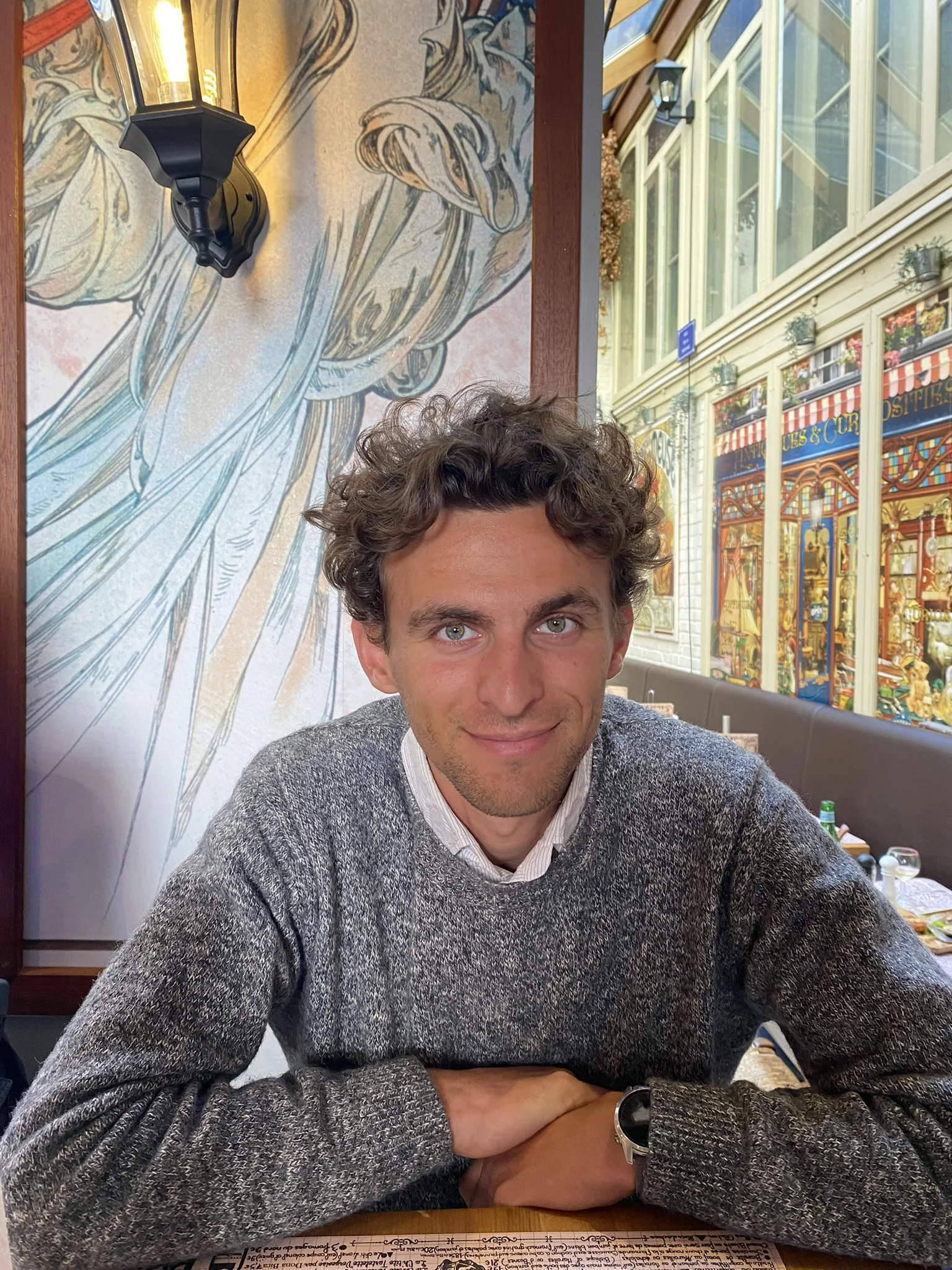

Start anywhere
If you arrived after a conference, a recruiter search, a race result, or one of the more surprising corners of the internet: hello. This is the concise version of what I work on, what I write, and what keeps me moving.
Hidden learning signals, mechanistic evidence, and AI safety that stays useful outside ideal lab conditions.
02One precise question at a time, from attention sinks and truth directions to model merging and long context.
03Official results, personal bests, and the less polished side of getting over barriers.
Current research question
My PhD currently looks at subliminal learning: how apparently innocuous patterns in data can transmit information and shift model behavior.
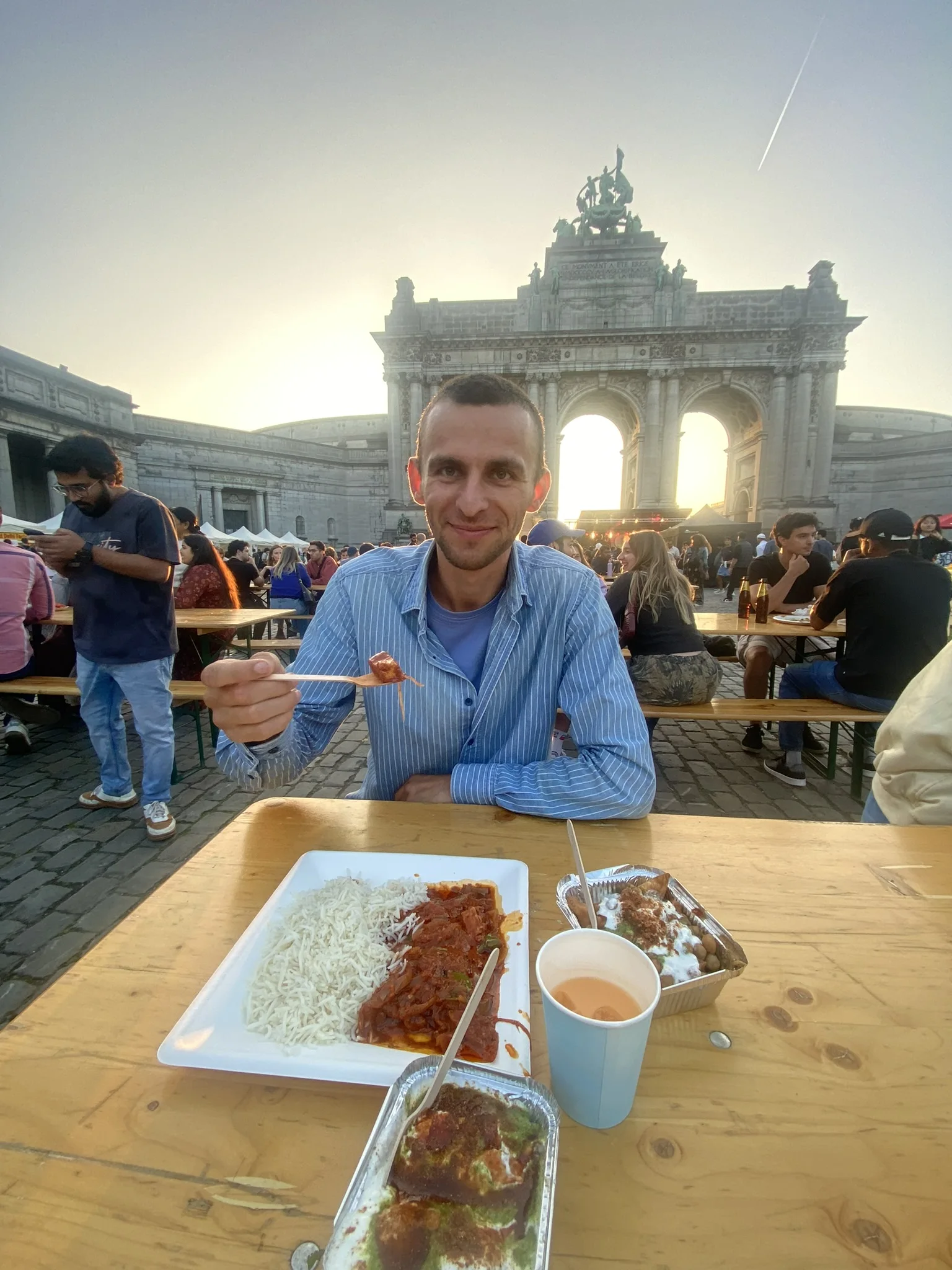
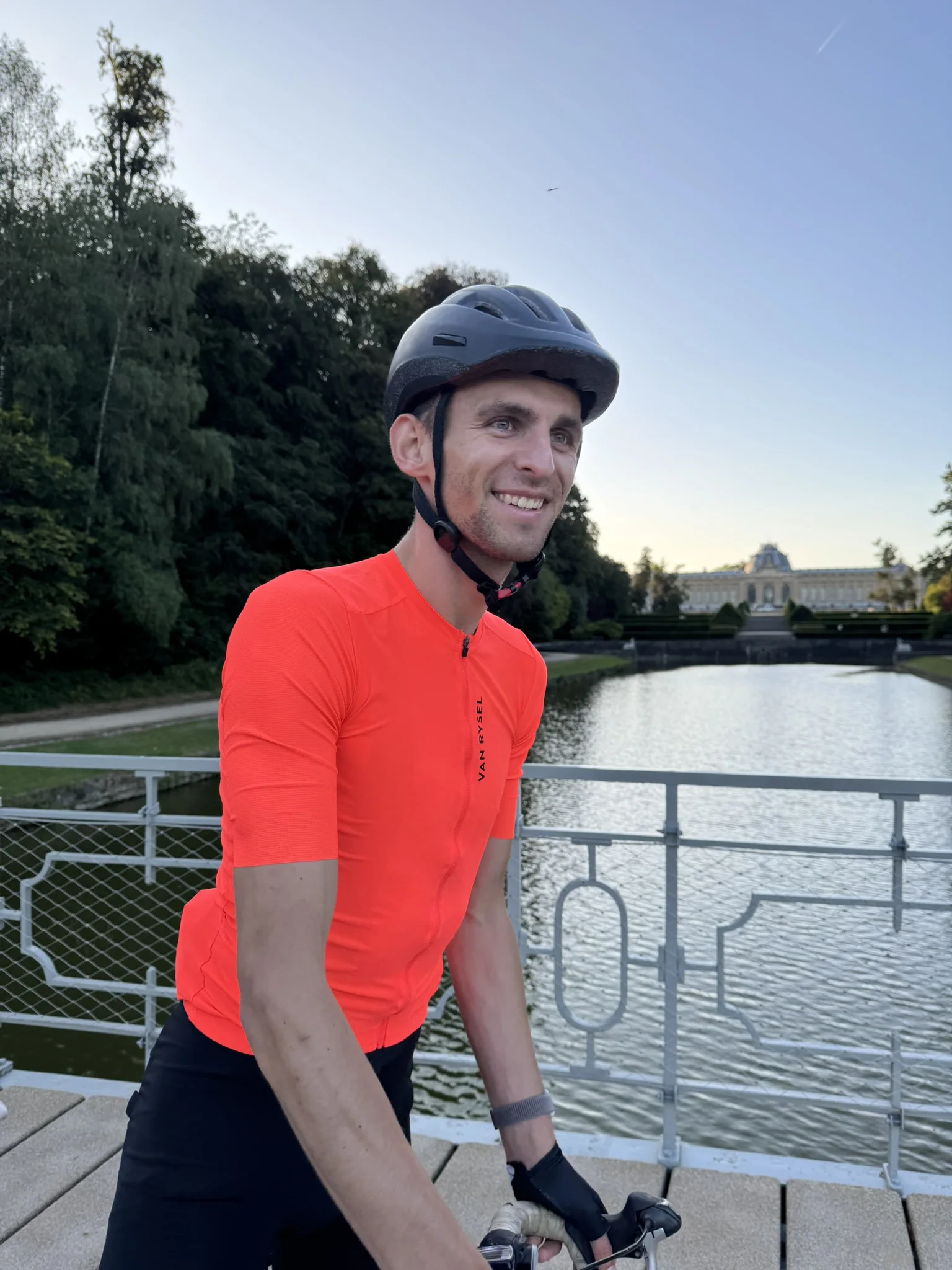
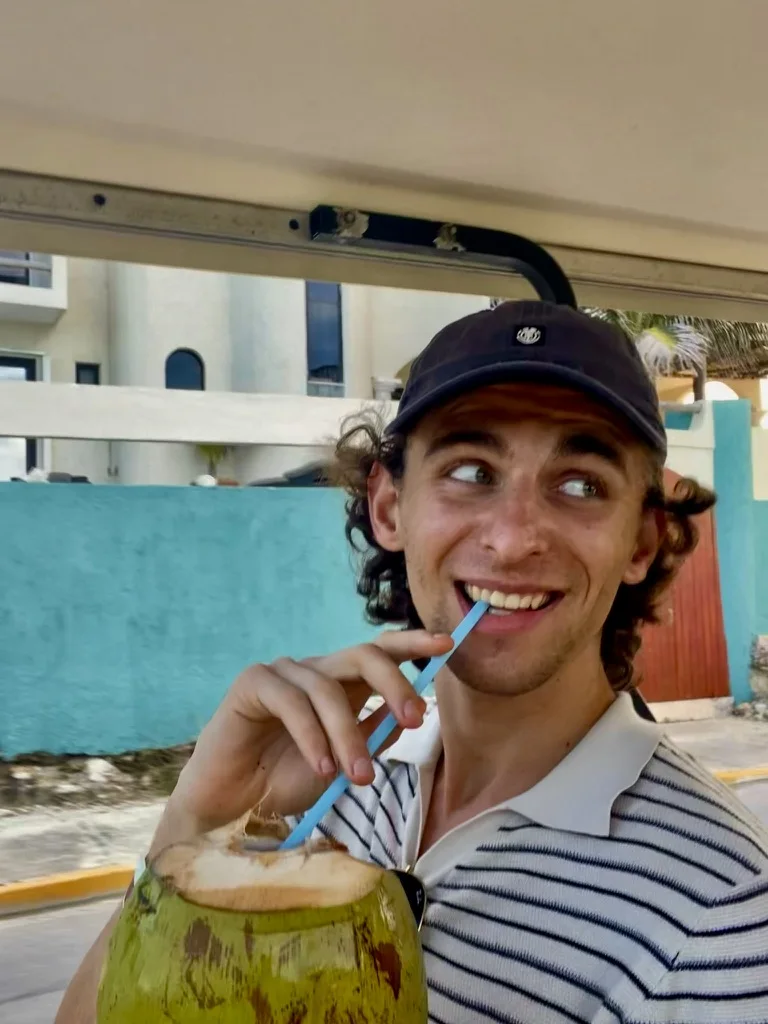
Beyond the bio
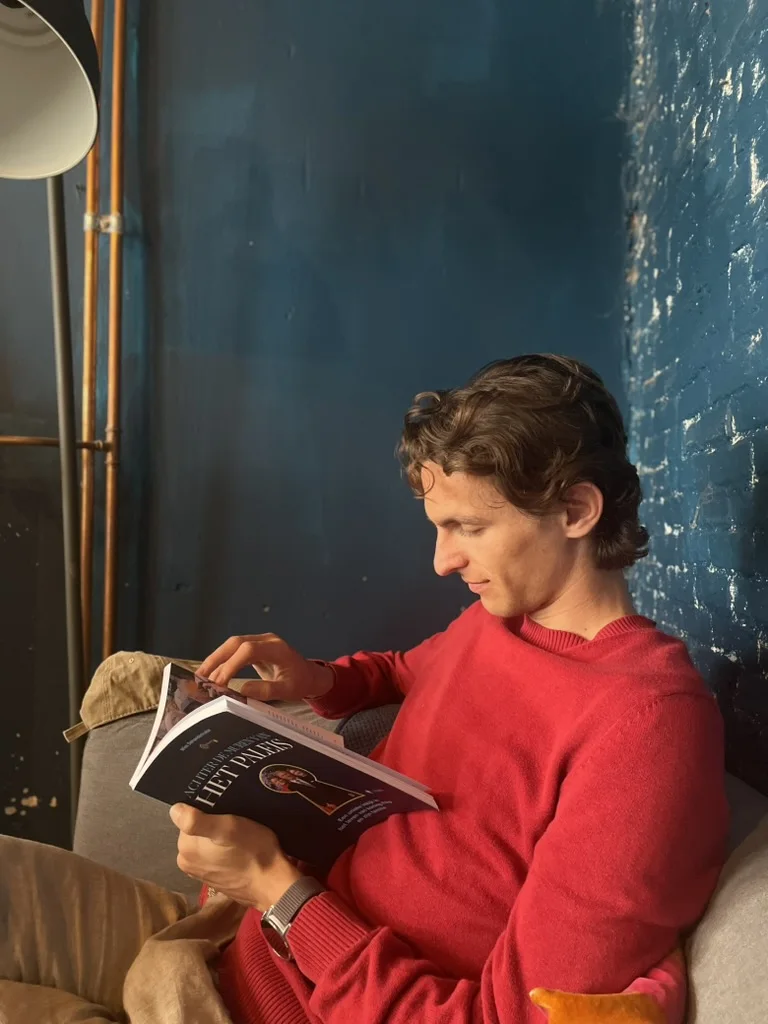
My work is serious, but I do not want the website to pretend every worthwhile hour happens at a desk or on a track. I like cities explored slowly, meals that stretch into conversation, and the useful quiet of a book.
The best parts of a week rarely belong to one category: a hard research question, an honest discussion, a long ride, or something worth ordering twice.
Reading / recommendations welcome
Reading is where I let questions remain unresolved for longer than a paper deadline usually allows. I am drawn to books that offer a framework rather than a verdict—and to people with a recommendation they are willing to defend.
A useful book does not have to win the argument. It has to leave a better one behind.
The shelf below is deliberately short: books I can actually say something about, not a decorative list of everything I have finished.
Six books / no ranking
Not necessarily the six “best” books I have read. These are the ones that gave me a durable question, a useful method, or a line of thought I still return to.
Formal systems, strange loops, minds, and the rare kind of ambition that changes what a book can be.
The one Taleb entry: a vocabulary for uncertainty, fragility, and systems that improve through disorder.
A practical bridge between mathematical problem-solving and the craft of helping someone else learn it.
Spare, unsettling, and much harder to forget than its length suggests.
A provocative lens on work, meaning, and the strange institutions people learn to treat as inevitable.
Short, mischievous, and uncomfortably observant about organizations.